Welcome to the King County Medic One Blog

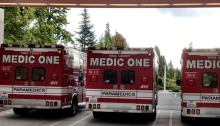
Serving south King County since 1977, King County Medic One is one of the largest providers of advanced life support and paramedic transport services in King County.  As a third-service EMS agency, all funding comes from public sources, in our case by Proposition One, the King County Medic One/EMS Levy, which is voted on by…

2016 Flu Update

February is unfortunately peak flu season.  Presently the CDC is still reporting low levels of flu activity throughout King County and Washington State. Although most cases of influenza will be mild and not require medical care, some people are at higher risk for developing complications: Children under 5 and adults over 65 Pregnant women People with…

Past Days of King County Medic One

After beginning their training in 1976, on September 1, 1977, the first Paramedics took to the streets in south King County.  Highline Medic One operated under the administration of Highline Community Hospital and King County Fire District #2.  Their medical director was Dr. Block, a Cardiologist in the 70’s who recently retired and still sits…

Recognition of a Stroke

Strokes are the fifth leading cause of death in the United States and are a major cause of permanent adult disability.   Each year almost 800,000 people will be affected by a stroke, with one American dying every 4 minutes on average.  Although the incidence of stroke does increase with age, recently 34% of all…

Anatomy of a Resuscitation

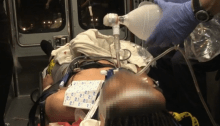
In the early morning hours of October 2015, Mr. Martin, a 60 year old man, was found by his family to be unconscious and not breathing.  911 was immediately called and the patient’s wife was given CPR instructions by the dispatch center.  Within minutes, Skyway Fire Department Engine 22 and Aid Car 22 were on…

2015 in Review

Through the hard work of our Paramedics, King County Medic One has one of the highest cardiac arrest resuscitation rates, not only in the country, but in the world. CARES (Cardiac Arrest Registry to Enhance Survival) collects data about cardiac arrests in 23 states, covering over 800 EMS agencies and more than 1,300 hospitals. *KCM1…